


Modern roofing systems are doing more than ever before. Beyond shedding water, today’s roofs must manage air, thermal movement, and long-term durability, often under extreme environmental stress. As systems become more complex, sealants have moved from a secondary accessory to a critical performance component.
For the roofing industry, sealant selection is no longer just about filling gaps, it’s about protecting the entire roof assembly.
Roofing Systems Are Evolving and So Are the Risks
Low-slope, metal, and hybrid roofing systems now incorporate multiple materials and interfaces. Roof penetrations, terminations, and transitions are exposed to:
-
Constant UV radiation
-
Wide temperature swings
-
Wind uplift and vibration
-
Standing water at seams and penetrations
These conditions place intense demands on sealants, especially at details like curbs, fasteners, edge metal, and roof-to-wall transitions.
Where Sealant Failures Most Often Occur
Roof leaks rarely happen in open field areas. They start at details, where movement and exposure are highest.
Common problem areas include:
-
Pipe and conduit penetrations
-
Metal laps and fastener heads
-
Roof edge terminations
-
Parapet and wall transitions
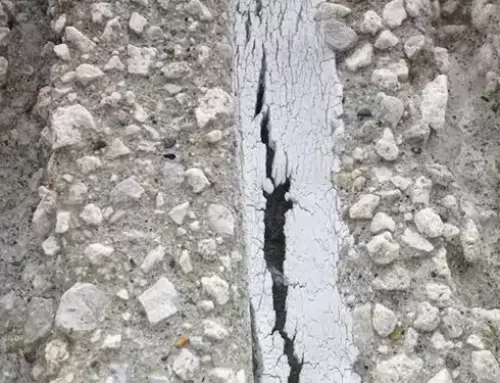
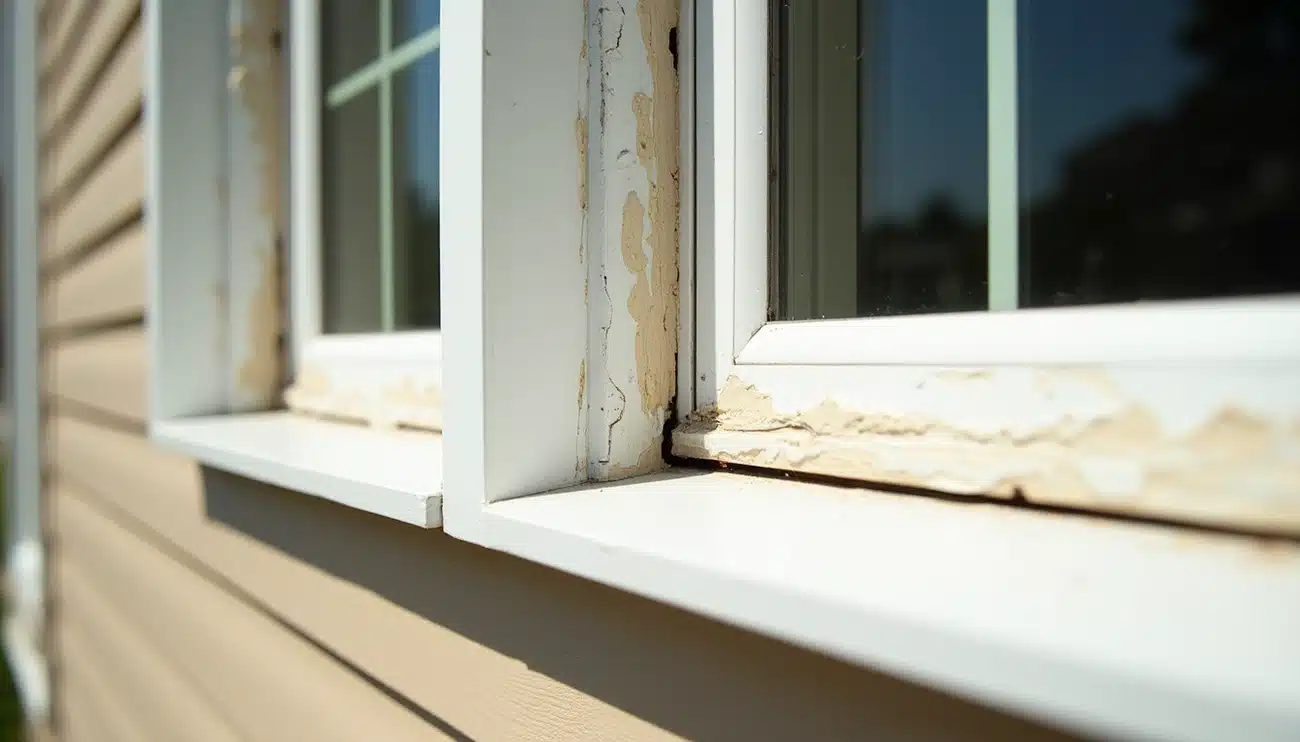
Failures often trace back to sealants that lose elasticity, break down under UV exposure, or were never designed for long-term exterior roofing conditions.
The Shift Toward High-Performance Sealants
Traditional roofing mastics and caulks may work short-term, but many struggle to deliver consistent performance over time. As a result, contractors and specifiers are increasingly turning to hybrid polymer and advanced elastomeric sealants.
These sealants offer:
-
Superior UV and weather resistance
-
Long-term flexibility to accommodate thermal movement
-
Strong adhesion to metal, membranes, masonry, and concrete
-
Reduced cracking, shrinking, and hardening over time
In high-risk roofing details, durability matters more than initial cost.
Integration with Roofing Accessories and Systems
Sealants don’t perform in isolation. Their effectiveness depends on compatibility with flashing, fasteners, membranes, and insulation systems.
For best results, roofing professionals should:
-
Use sealants designed to bond to common roofing substrates
-
Ensure compatibility with flashing tapes and membranes
-
Apply sealants to clean, dry surfaces
-
Follow manufacturer recommendations for joint size and movement
When sealants are selected as part of a complete roofing system, long-term performance improves and callbacks decrease.
How Premier Building Solutions Supports the Roofing Industry
Premier Building Solutions develops sealants and foams engineered for harsh exterior environments, including roofing applications where exposure and movement are constant. Hybrid sealants like XtraBond®9500 deliver the adhesion and flexibility required for critical roofing details, helping contractors achieve tighter, longer-lasting roof assemblies.
The Takeaway
In today’s roofing environment, sealants are no longer just accessories, they’re performance drivers. Choosing the right sealant for penetrations, seams, and transitions can mean the difference between a roof that lasts decades and one that generates ongoing maintenance issues.
To view Premier’s full line of high performance sealants, visit https://premierbuildingsolutions.net/premier-products/


Leave A Comment