

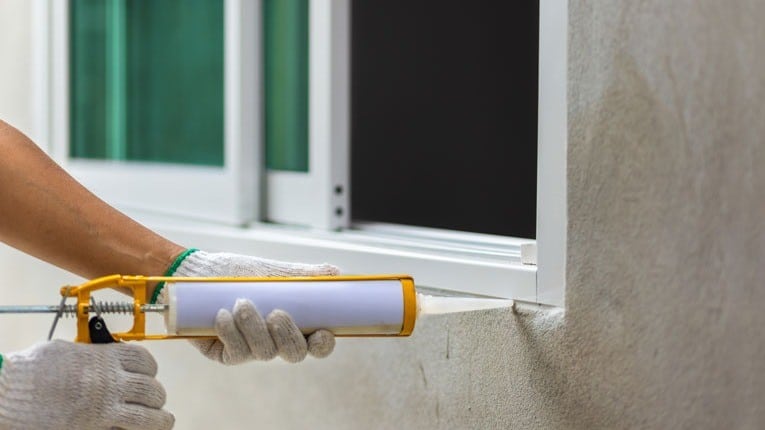
Choosing the right sealant is an important part of any construction project. The sealant you select needs to do more than simply fill a joint. It must adhere to the substrates, accommodate movement, withstand the environment, and provide long-term protection against air and water infiltration.
With so many sealant chemistries available, knowing which product is best for a specific application can be challenging.
This guide breaks down the most common types of construction sealants, their key properties, and where each type performs best.
What Is a Sealant?
A sealant is a material used to seal joints, gaps, seams, and connections between building materials. Unlike rigid materials such as mortar or grout, sealants are designed to remain flexible enough to accommodate movement between substrates.
Sealants are commonly used around windows and doors, building façades, roofing systems, metal panels, masonry, concrete, and other areas where a durable weather-resistant seal is required.
The right sealant can help:
- Prevent air and water infiltration
- Accommodate joint movement
- Protect building materials from moisture
- Improve energy efficiency
- Create a finished appearance
- Extend the service life of a joint
However, not every sealant is designed for every application. Sealant chemistry, substrate, joint movement, environmental exposure, and installation conditions should all be considered before selecting a product.
Common Types of Construction Sealants
Some of the most common sealant chemistries used in construction include:
- Acrylic and siliconized acrylic
- Silicone
- Butyl
- Advanced polymer
- Polyurethane
- Specialty sealants
Each chemistry has different performance characteristics and advantages.
Acrylic and Siliconized Acrylic Sealants
Acrylic sealants are commonly used for general construction and interior applications. Siliconized acrylic formulas add silicone polymers to improve flexibility, adhesion, and overall performance.
These sealants are often a good choice when paintability, ease of application, and cleanup are important.
Typical applications include:
- Interior joints
- Window and door frames
- Trim and molding
- General construction
- Kitchen and bath applications
- Joints where a paintable finish is required
Best for: General construction, interior applications, and projects requiring a paintable seal.\
Silicone Sealants
Silicone is known for its excellent flexibility, weather resistance, and long-term performance. Silicone sealants are particularly useful in applications exposed to moisture, temperature changes, and UV radiation.
They are commonly used for:
- Windows and doors
- Glass
- Glazing
- Exterior joints
- Metal
- Building envelope applications
Neutral cure silicone is particularly useful when adhesion to a wide range of substrates is required.
Best for: Exterior applications, glazing, windows, doors, glass, and areas exposed to weather and UV.
Butyl Sealants
Butyl sealants are known for their long-term flexibility and strong adhesion. Unlike many other sealants, butyl remains permanently flexible or pliable, depending on the formulation.
Butyl sealants are frequently used in applications involving metal panels, roofing materials, insulation, and other building components.
Common applications include:
- Metal building panels
- Roofing
- Insulated metal panels
- Flashing
- Exterior construction
- Structural bonding
- Cold storage applications
Best for: Roofing, metal panels, insulated panels, and applications requiring long-term flexibility.
Advanced Polymer Sealants
Advanced polymer sealants have become increasingly popular because they combine many desirable performance characteristics into one formulation.
Depending on the product, advanced polymer sealants can provide:
- Excellent adhesion
- High flexibility
- Low VOCs
- Weather resistance
- UV resistance
- Paintability
- Wide application temperature ranges
These characteristics make advanced polymer sealants versatile choices for both commercial and residential construction.
Best for: Building envelopes, windows, façades, fiber cement, metal, and applications requiring flexibility and strong adhesion.
How Do You Choose the Right Sealant?
Selecting a sealant should start with the application rather than the product name or chemistry alone.
Consider these five factors before making a selection.
What Substrates Are You Sealing?
Different sealants perform differently depending on the materials involved.
Common construction substrates include:
- Concrete
- Masonry
- Brick
- Glass
- Aluminum
- Steel
- Wood
- Vinyl
- Fiber cement
- Pre-painted metals
Always verify that the sealant is compatible with the specific substrates involved. When in doubt, adhesion testing is recommended.
How Much Movement Will the Joint Experience?
Buildings move. Temperature changes, structural movement, material expansion and contraction, and other forces can place stress on a sealed joint.
A sealant with sufficient movement capability helps the joint accommodate this movement without premature failure.
For higher movement applications, look for a sealant specifically designed and tested for the expected movement.
Will the Sealant Be Exposed to UV and Weather?
Exterior joints can be exposed to sunlight, rain, temperature fluctuations, and other environmental conditions for years.
If the sealant will be exposed to direct sunlight, UV resistance and weatherability should be considered during product selection.
For example, XtraBond®9500 is designed for exterior applications where UV stability and weatherability are important. For concealed or protected applications where UV exposure is not expected, a product such as XtraBond®9500NC may be more appropriate.
Does the Sealant Need to Be Painted?
Paintability can be an important consideration when the sealant needs to blend into surrounding building materials.
Acrylic, siliconized acrylic, and certain advanced polymer formulations are often selected when paintability is required.
Always check the manufacturer’s recommendations for compatible coatings and required cure times before painting.
What Are the Installation Conditions?
Temperature, moisture, surface condition, and joint design can all affect sealant performance.
Before application, surfaces should generally be clean, dry, and free of contaminants that could interfere with adhesion. Product-specific installation instructions should always be followed.
Sealant Selection by Application
Not sure where to start? This quick reference can help narrow down your options.
| Application | Sealant Type to Consider |
| Window and door frames | Acrylic, silicone, advanced polymer |
| Exterior windows and doors | Silicone, advanced polymer |
| Glass and glazing | Silicone |
| Metal panels | Butyl, advanced polymer |
| Roofing | Butyl, advanced polymer |
| Siding and trim | Acrylic, advanced polymer |
| Masonry joints | Advanced polymer |
| Concrete joints | Advanced polymer |
| Fiber cement | Advanced polymer |
| Insulated metal panels | Butyl |
| Interior general construction | Acrylic, siliconized acrylic |
| High-movement joints | Advanced polymer, silicone |
This table is a starting point only. Final product selection should be based on the specific substrates, joint design, environmental exposure, movement requirements, and project specifications.
Don’t Choose a Sealant Based on Chemistry Alone
There is no single “best” sealant for every construction application.
A high-performance silicone may be the right choice for one project, while a butyl or advanced polymer sealant may be better suited for another. The best product is the one that matches the requirements of the joint and the conditions it will experience throughout its service life.
Understanding the differences between sealant chemistries can help contractors, architects, specifiers, and building professionals make more informed product selections and avoid costly sealant failures.
Need Help Selecting a Sealant?
Premier Building Solutions manufactures a broad range of high-performance sealants and adhesives for commercial, residential, industrial, and transportation applications.
From acrylic to butyl to silicone to advanced polymer technologies, the XtraBond® product line offers solutions for a wide range of construction applications.
Have a specific application in mind? Contact Premier Building Solutions to discuss the right sealant for your project.




Leave A Comment